Přejít k obsahu

Outdoor education is growing in popularity around the world, with more schools recognizing the significant benefits of hands-on, nature-based learning. In the Czech Republic, the ‘School in Nature’ concept (in Czech ‘škola v přírodě‘) has been a well-established tradition for decades. It combines academic learning with physical activities and environmental education, giving students a week or more of immersive experiences outside the classroom.
In many respects, School in Nature may be similar to school camps in other countries but the term ‘School in Nature’ itself is often unfamiliar to non-Czech families. If you don’t know what it’s all about, then this article is for you!
We are going to take a look at the many benefits of School in Nature, the unique approach of outdoor education in the Czech Republic, and how PORG International School promotes environmental awareness, physical health, and social development in children through this holistic learning method.
What is School in Nature?
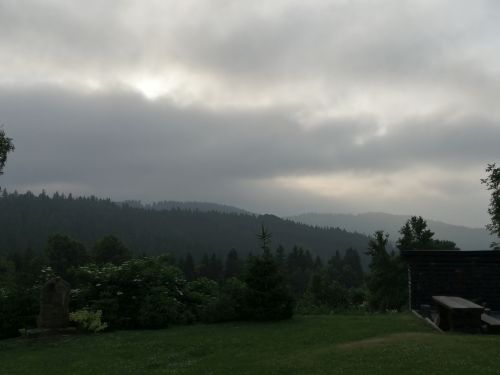
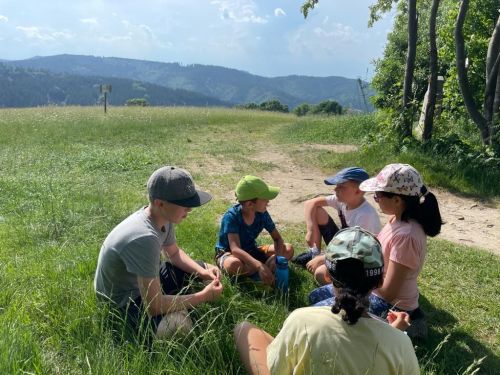
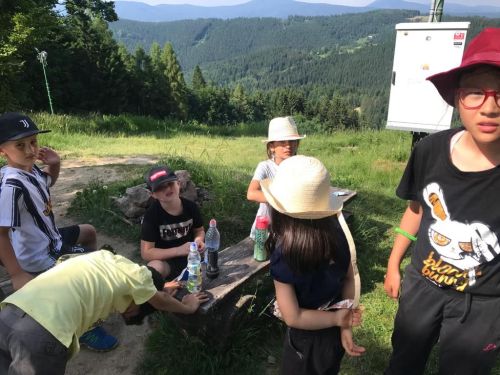
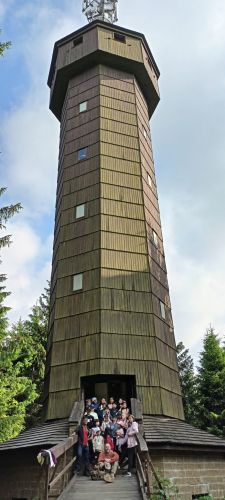
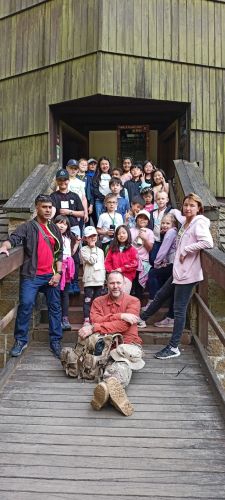
The School in Nature program involves taking students, particularly from elementary schools, out of their regular classroom environment and into a natural setting for an extended period, usually for 5 days. These trips are typically organised in rural areas, forests, or in the mountains. The program blends formal education with outdoor physical activities and experiential learning, making it a valuable experience for children.
The Importance of Environmental Education for Children
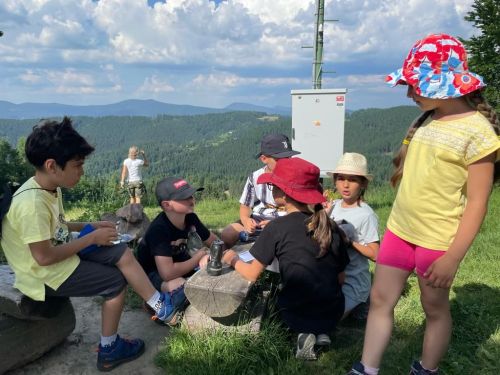
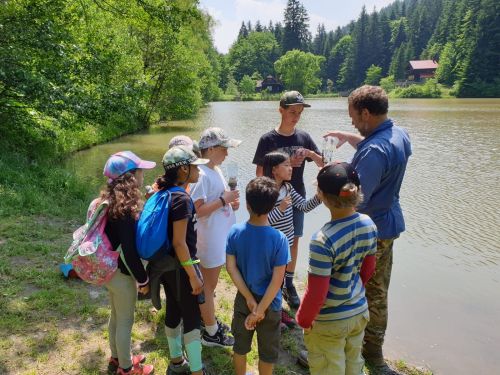
One of the core goals of School in Nature is to stimulate environmental education for children. Through nature-based learning, pupils gain hands-on experience with the environment, learning about local ecosystems, flora, and fauna.
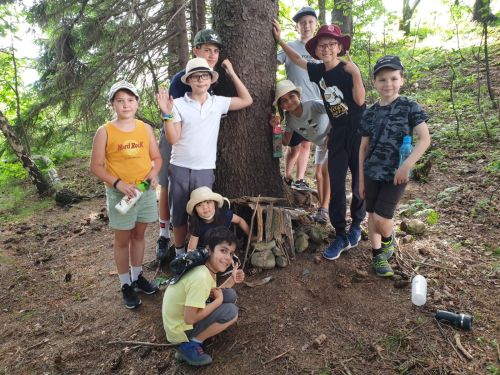
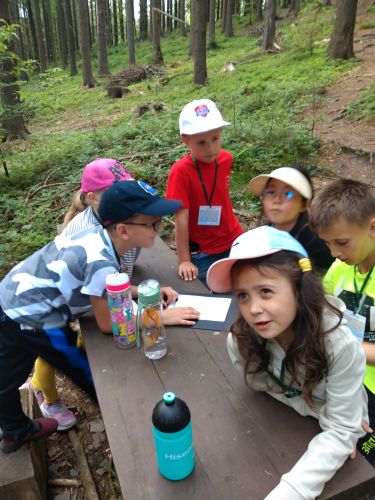
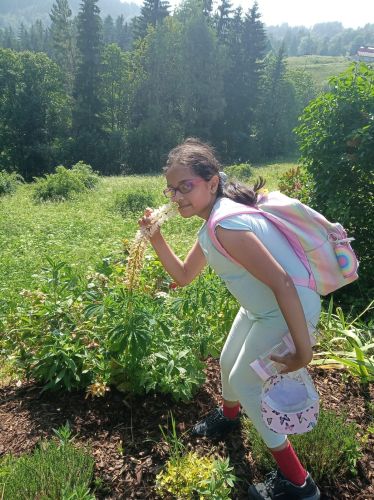
For example, children are introduced to practical ecology by participating in activities like nature walks, forest exploration, and wildlife observation. This can help them develop a deeper understanding of the environment, learning about ecosystems, sustainability, and how human actions impact the natural world.
School in Nature also fosters environmental responsibility. These programs encourage students to take responsibility for nature. Whether they are learning about recycling, protecting wildlife habitats, or understanding the importance of sustainable practices, children leave with a stronger sense of how their actions can be a force for good or bad in the world.
Benefits of Outdoor Learning for Children
The benefits of outdoor learning extend beyond academic knowledge. School in Nature encourages mental and physical well-being through the activities possible and the environment where they take place. For example:
Physical Health Benefits of Outdoor Education
Spending time in nature encourages students to be physically active, which can lead to improved cardiovascular health, stronger muscles, more developed coordination and better overall fitness.
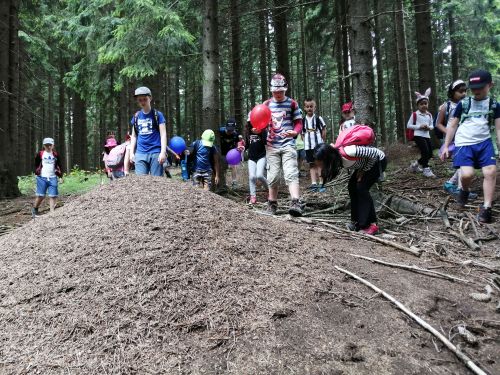
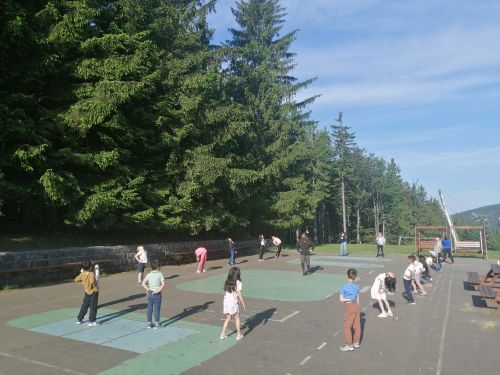
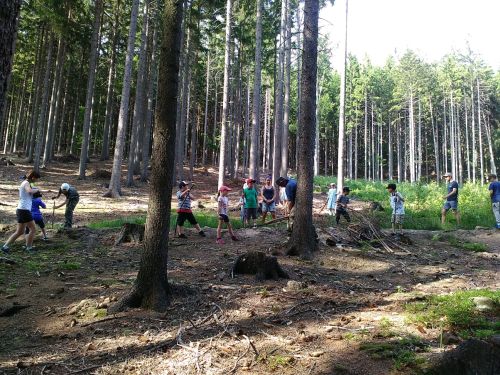
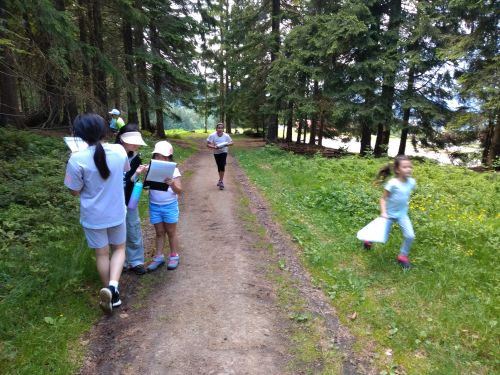
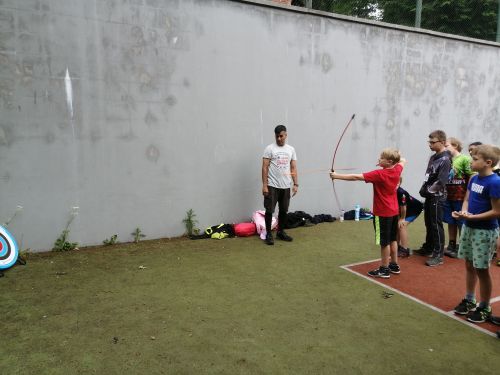
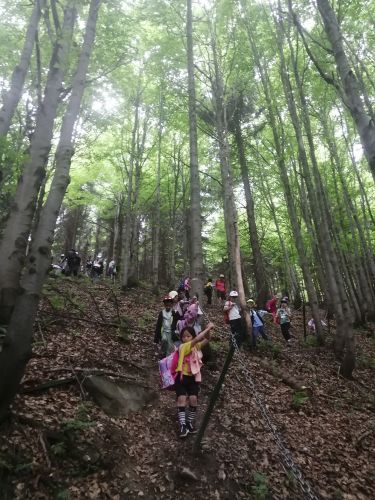
Walking through forests or mountain trails are a core part of the program, allowing students to develop physical endurance while engaging with the landscape. Along the route, pupils can participate in team exercises, from carrying a team balloon without bursting it to map-reading and crossing obstacles. Back at the hotel, there are areas where they can play more traditional sports like football or volleyball. All these activities enhance fitness and develop social bonds at the same time.
Mental Health and Stress Reduction
School in Nature provides a break from the pressures of the school year. The calmness of natural surroundings helps reduce stress and anxiety in students, improving their mental health.
Numerous studies have shown that spending time outdoors can improve focus, especially in children. After a week in nature, students often return to school with increased concentration and engagement.
The extended time spent outdoors allows children to build a meaningful connection with nature, which has been shown to boost mood and reduce symptoms of depression and anxiety.
Social Development through Outdoor Education
One of the most significant benefits of School in Nature is how it nurtures social development. The outdoor setting encourages collaboration, teamwork, and stronger peer relationships.
By working together in groups to solve problems, navigate hikes, or set up camp, children develop their teamwork skills while some of them will also begin to step up as leaders.
Spending time in a more relaxed, less stressful environment can help young people improve conflict resolution skills. Teachers can use these times to guide children toward better communication and understanding.
Nature-Based Learning and Holistic Child Development
Nature-based learning supports holistic child development by taking subject knowledge beyond what is possible in a more common school environment. Integrating multiple senses of sight, sound and touch offers children a fuller understanding of the world around them.
The natural world provides an engaging backdrop for all subjects. Maths lessons can involve measuring trees or calculating distances, while science becomes more tangible as students identify local plant species or observe wildlife behaviour. A cross-curricular activity in a classroom might focus on a certain selection of skills, whereas out in the real world, we have to be able to draw on all of our knowledge at a moment’s notice.
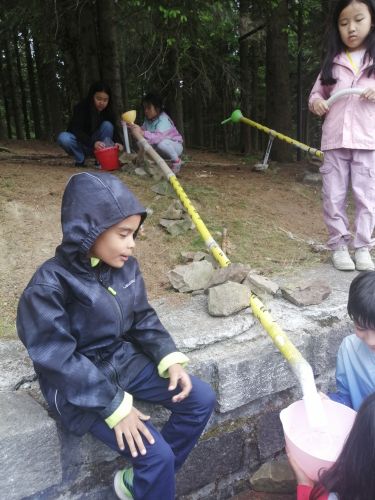
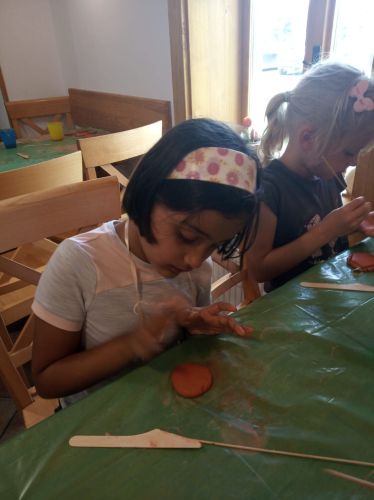
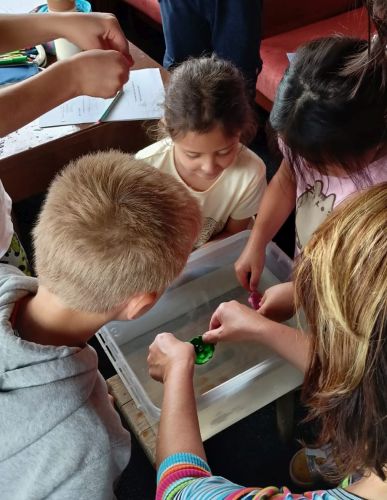
Additionally, outdoor activities naturally encourage creativity and problem-solving. Children may be challenged to build a shelter, craft art from natural materials, or solve real-world problems like making water safe to drink.
The Role of Outdoor Education in Promoting Sustainability
Sustainability education comes to life at School in Nature. As the children get used to their surroundings, they find it easier to live harmoniously with the environment, making them more conscious of their ecological footprint.
When we are in the great outdoors, we can easily see how nature produces no waste. Children recognise very quickly that the only rubbish to be found was put there by humans and that nature recycles absolutely everything. Seeing firsthand that a broken branch, a fallen tree or last year’s leaves are not rubbish but the resource with which nature builds something new can be a powerful experience for learners of all ages.
Why the Czech Republic is ideal for School in Nature.
In the Czech Republic, outdoor education programs like School in Nature have been popular for decades. The tradition of learning in the natural environment dates back to the 1920s, when city schools moved learning to the countryside for extended periods to improve children’s health. Today, the emphasis is on the combination of physical activity, environmental awareness, and holistic education.
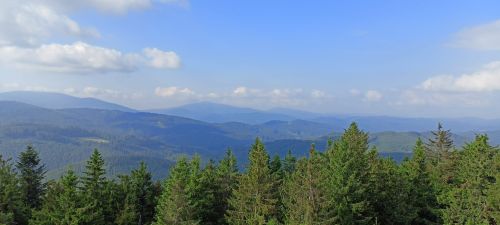
The Czech Republic boasts rich natural landscapes full of forests, mountains, and rivers which make it the perfect setting for these experiences. It also has all of the infrastructure, thanks to the length of time School In Nature has been a traditional part of Czech education. During May and June, almost every hotel in the mountains which encircle the country will be filled with groups of schoolchildren broadening their horizons.
PORG International School In Nature
As an international school, we understand that many children have not experienced anything like School in Nature before and that it can be intimidating to think of spending time away from parents for the first time. We have a range of high-standard hotels to choose from, who we have worked with before. We know that the staff of the hotels are professionals who put their guests first and that their environment is safe and welcoming. We also know that they have wonderful cooks, providing delicious and nutritious meals for all dietary requirements!
We allocate the children rooms with their friends and typically have a single floor for our school, with teachers occupying rooms in the same corridor and someone on night duty in case of nightmares, sleepwalking or homesickness!
As part of our commitment to building a strong team, we hold some sleepovers at the school throughout the year. This gives younger children a chance to be away from their parents for a single night, strengthening their sense of self-reliance and confidence. Older children take on junior leadership roles, helping the young ones to adjust to the novel situation.
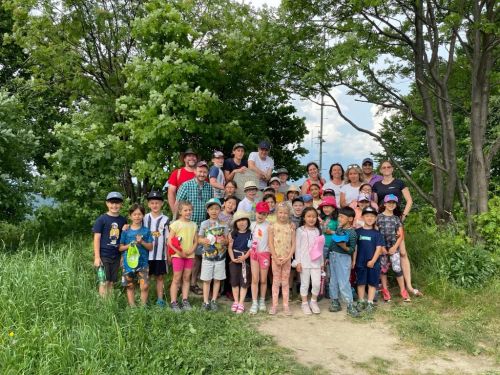
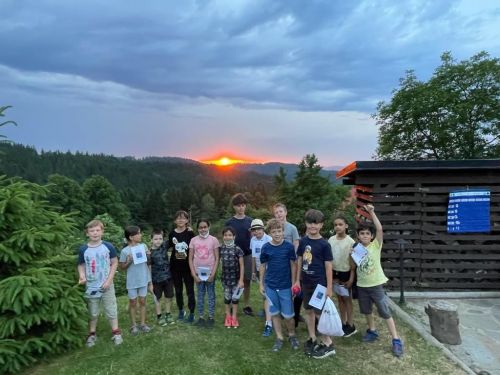
By the time the younger children go to School in Nature, they will feel that they are part of a team, surrounded by friends who care about them, and ready to face the challenges which lie before them with the support of those who have done it before. When parents come to pick the children up at the end of the week, they often remark that their children have grown up noticeably in the few days they have been away!
Conclusion – Nature Improves Learning Outcomes
The School in Nature concept in the Czech Republic highlights the transformative power of outdoor education. By immersing children in natural environments, these programs not only boost environmental education for them but also improve their physical health, social skills, and mental well-being.
As more schools around the world explore the benefits of nature-based learning, the Czech Republic’s century-old tradition of School in Nature serves as a valuable model. Whether through developing leadership skills, developing a connection to nature, or improving overall focus, the benefits of outdoor learning are clear.
At PORG International School, we believe that School in Nature is the perfect way to bring together all the strands of knowledge we have acquired during the school year and weave them into a rich understanding of ourselves, our world, and our place among all those with whom we share it.